In real estate, the most valuable service isn’t always telling clients what they want to hear. Sometimes it’s telling them what they need to hear. Here’s how transparent market analysis and strategic execution helped a West Portal family exceed expectations when the numbers didn’t look promising.
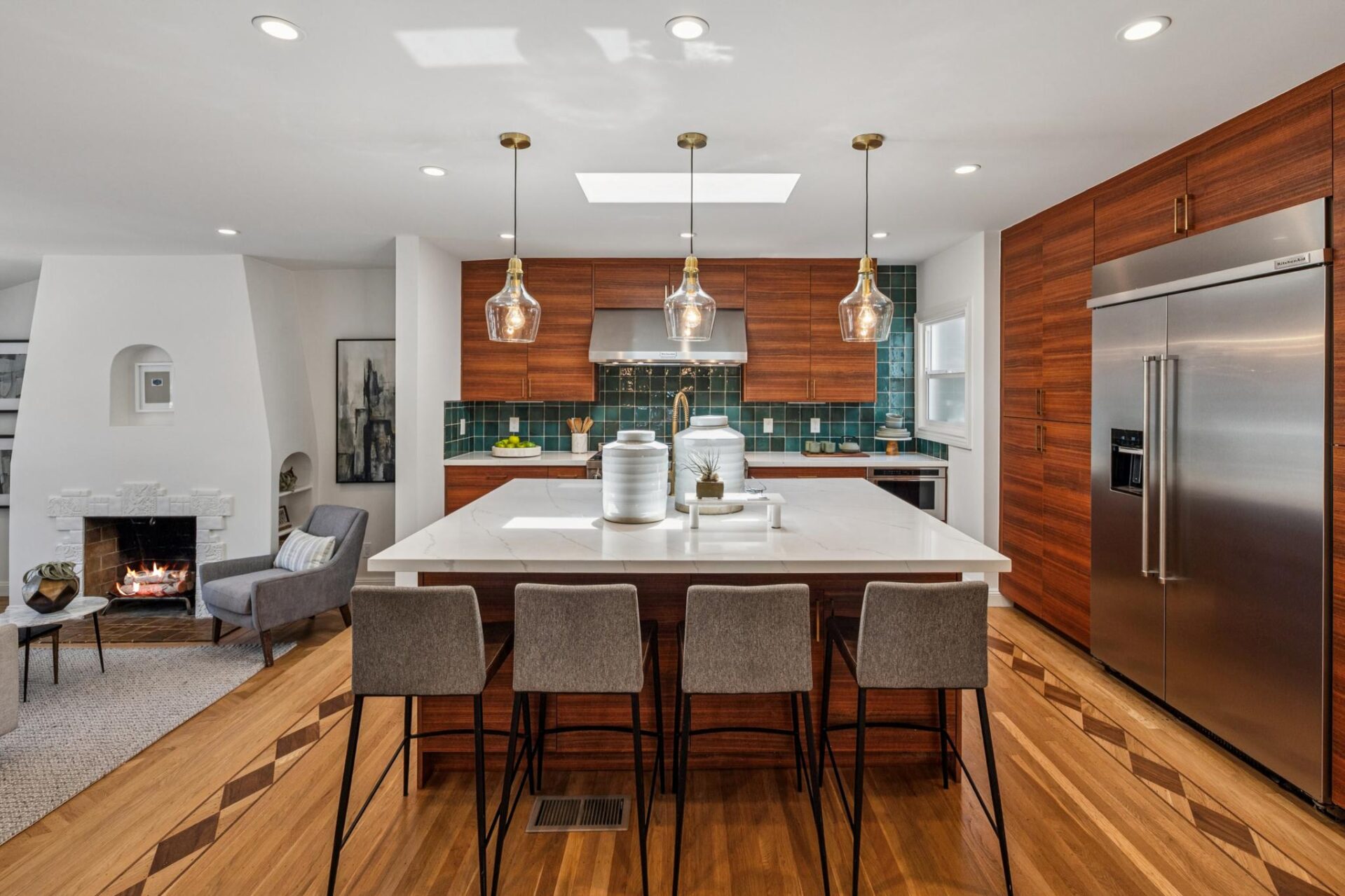
In 2023, our clients purchased a 2-bedroom house in West Portal for $1.6 million. The property was meant for their son, who was heading to San Francisco State University.
They invested nearly $1 million in a complete renovation, bringing their total investment to $2.6 million (not including future selling costs).
Two years later, circumstances changed. Their son purchased a place closer to campus, and the family needed to sell.
With typical selling costs around 9%, they needed to clear approximately $2.9 million just to break even. And the market hadn’t appreciated enough to make that number realistic.

We ran a thorough analysis of recent comparable sales.
The market data:
This is where many agents diverge in approach.
The easy path: Tell sellers what they want to hear to win the listing. Promise $2.9M or higher based on optimism rather than data.
Our approach: Complete transparency about market conditions, even when the news isn’t comfortable.
We sat down with detailed comparable sales data and walked through every relevant transaction. This wasn’t the conversation they wanted to have—they’d invested significant money and effort into this property—but it was the conversation they needed.
We showed them exactly where the market was.
When agents overpromise to secure listings:
Once a property sits on the market, recovering momentum becomes incredibly difficult unless you wait months to reset.
Our clients trusted us enough to hear the truth. That trust opened the door to a strategy that delivered exceptional results.

Based on comparable sales and market conditions, we recommended listing at $2,395,000.
In San Francisco’s competitive real estate market, strategic pricing below market value accomplishes several goals:
We set an offer date for one week after going live and prepared for the first open house.
Even though the house was fully renovated, their son had lived there “kind of like a frat house” (their words) for two years. The property needed work before listing.
We invested in floor refinishing and targeted updates. The sellers were understandably nervous about putting more money in when they were already hoping to break even. But proper preparation can be the difference between an okay result and an exceptional one.
After the first open house, a buyer submitted a preemptive offer at $2.8 million, matching our best comparable sale.
On paper, this offer made perfect sense:
But we were seeing something different.
The open house activity was strong. The foot traffic, the questions people were asking, and the way buyers were lingering at the open house. It all pointed to genuine competition building.
Having sold more homes than any other team last year gives you insights you cannot get otherwise.
When you’re negotiating multiple offers every week, watching buyer behavior across dozens of transactions, you develop instincts about what genuine competition looks like versus casual interest.
We recognized the pattern. This property had real momentum.
Our recommendation: Respectfully decline the preemptive offer and ask them to return on offer date.
A lot of agents would’ve jumped at that $2.8M offer. It was at the top of comps, after all. But constant market exposure teaches you when to hold and when to fold. This was a time to hold.

Several days later, four offers came in.
The preemptive buyers returned—this time nearly $100K higher than their original offer.
Getting multiple offers creates opportunity. Maximizing that opportunity requires experience and strategy.
It’s not just about buyers bidding against each other. It’s about:
After closing hundreds of transactions, you develop instincts about when to push, when to hold, when to create urgency.
Final sale price: $3,000,000
We exceeded our best comparable sale by $200,000, and that comp had higher-end finishes.
More importantly, we exceeded our clients’ expectations and got them out of what looked like a difficult situation on paper.
Sometimes the most valuable thing we can do is tell you what you need to hear, not what you want to hear.
The difference came down to honest advice from the beginning, strategic execution based on market reality, and the experience to recognize opportunity when activity patterns showed genuine competition building.
If you’re thinking about selling and want someone who’ll shoot straight with you about pricing and strategy, I’d love to talk.


