Buying a fixer-upper in San Francisco is almost never cheaper than buying a turnkey home. And the math is usually far worse than buyers expect. Construction costs have risen roughly 30% year-over-year since the pandemic. Sometimes, buyers are already paying 30% over recent comps in today’s escalating market, and once you open up walls, the surprises never stop. I’ve talked two buyers out of fixer-uppers just this week. If you’re watching HGTV and thinking this is your path to a dream home, let me show you why a gut renovation under $3 million in the Central Sunset tells a very different story.
Buying a fixer-upper in San Francisco almost always ends up more expensive than buying a finished home because you’re paying escalated market prices for the purchase and escalated construction costs on top of it, and the surprises always push the renovation budget higher.
I always say the cheapest renovation is to buy someone else’s construction project. What I mean is that the finances almost never pencil out when you add them up. Right now, buyers in San Francisco are paying 5 to 10% over the most recent comps on average and in some neighborhoods and price points, up to 30% over. So you’re starting from an already inflated purchase price.
Then add the construction. On top of the purchase, renovation budgets routinely run 30% to 50% over the original bids. That’s not a pessimistic estimate, that’s what I see happen again and again. Contractors give you their best estimate before they touch the walls, and once they open them up, the surprises begin. Dry rot behind the framing. Foundation issues that weren’t visible. Systems that have to be replaced to support the new build. Every one of those is money the original bid didn’t account for.
I had a client who bought a house, thinking they were embarking on a $1 million renovation. By the end of the project, it was $4 million. The foundation alone, which needed a full replacement to support the new renovation, cost no less than $250,000. That’s a number that didn’t exist in their original plan.
And I talked to a seller just the other day who bought their house for $2.3 million and spent $350,000 just on architectural plans and permits. And that’s without doing any construction. They were hoping to sell and recoup that cost. Based on current comps and the property’s condition today, that’s not going to happen.
Beyond the construction budget, buyers taking on a San Francisco fixer-upper typically face at least $20,000 a month in combined holding and housing costs before a single wall goes up.
This is the part buyers almost never factor in fully. If you’re buying a property worth around $3 million, your holding costs: mortgage, property taxes, and insurance, are probably at least $15,000 a month. Add rent for the place you’re living during construction, which in San Francisco is unlikely to be less than $5,000 a month. You’re already at $20,000 a month before the renovation even starts.
And the renovation won’t start the day you close. Contractors aren’t sitting idle waiting for your call. Sourcing bids alone takes time. A realistic minimum is a month just for that process. Then you need architectural drawings. Then permits. In San Francisco, realistically, working through permitting before you can break ground adds another 2 to 3 months. So you’re looking at a three-to-four-month runway before anyone picks up a hammer, and you’re paying $20,000 a month the entire time.
I talked two buyers out of fixer-uppers in Noe Valley just this week. Both were desirable properties in a very desirable neighborhood. But neither buyer had really done the math on what the full project would cost. And in both cases, when we walked through it honestly, the numbers didn’t work.
My clients bought their Central Sunset home for $1,850,000, spent $850,000 on a gut renovation, and are all-in at approximately $2.7 million — with no certainty they’ll break even after selling costs.
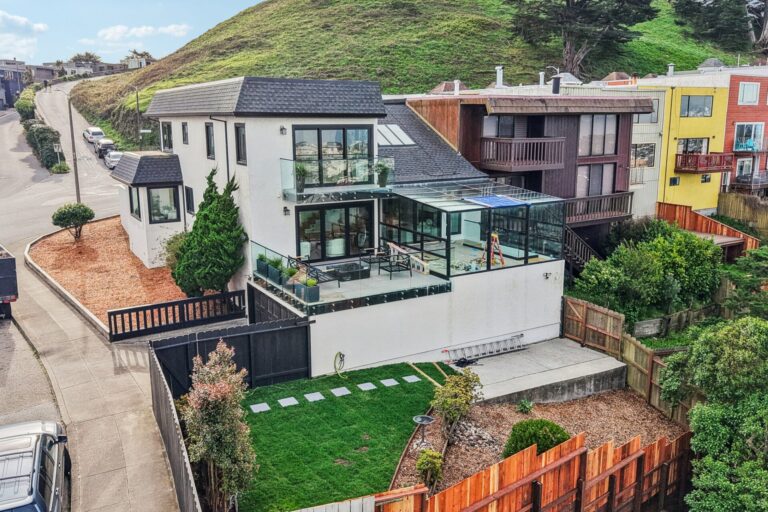
This home is a real example of what a thoughtful, high-quality renovation looks like, and what it costs. The sellers bought it a few years ago for $1,850,000 and spent about a year doing a complete gut renovation of the interior. That renovation cost $850,000. Combined, they’re all into the home at approximately $2.7 million.
Current comps in the neighborhood are showing around $2.7 million. In an escalating market like the one we’re in, it’s possible they clear that, but probably not significantly above $3 million. And here’s the catch: after factoring in the purchase price, all renovation costs, and the fees involved with selling a home in the Bay Area, which run 8 to 9%, they need to clear at least $2.95 million just to break even. That’s not a comfortable margin. And it’s not guaranteed.
This renovation was done about three years ago. With construction costs rising roughly 30% year-over-year since the pandemic, the same renovation today could cost up to 90% more. The math that was borderline three years ago would be dramatically worse today.
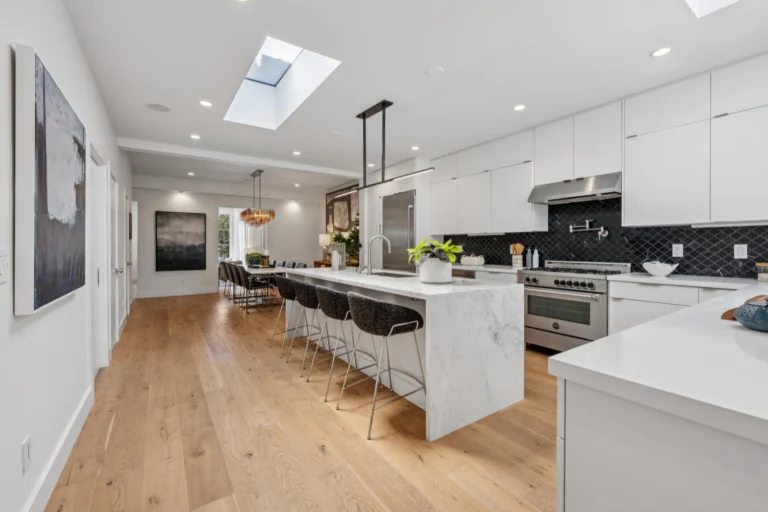
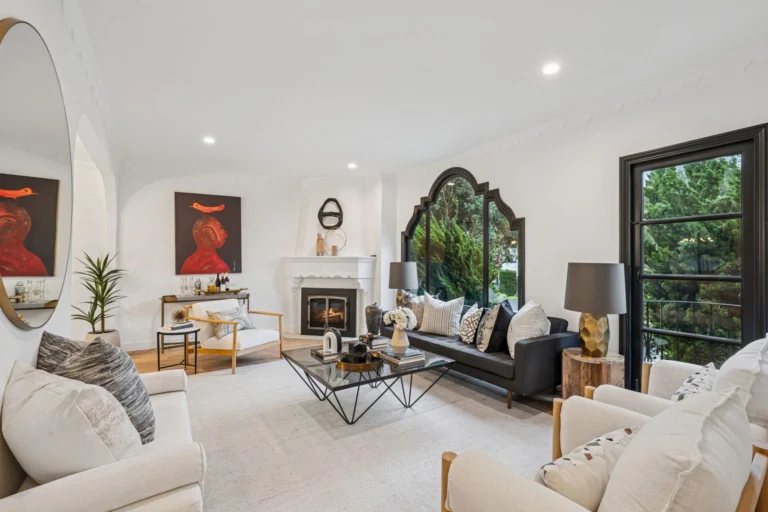
This Central Sunset home, just shy of 2,500 square feet, two bedrooms plus a primary suite and bonus room, was designed by the sellers for themselves, which means the finish level is completely unlike the cookie-cutter developer flips in the neighborhood.
Most flips in this area have a very predictable finish: ultra-modern, cold, white-box feel. That’s what developer math produces when someone is optimizing for cost and resale speed. This home is different because the sellers designed it for themselves. They were not sparing expense. They were building the house they planned to live in, and it shows in every detail.
What stands out: wide oak floors throughout, all windows upgraded, a statement stone fireplace with a full built-in bookshelf surround. The kitchen has a custom-built skylight that opens, custom cabinetry throughout, and a six-burner Italian ILVE range, that range alone runs $13,000 to $15,000. All appliances are hidden and integrated into the cabinetry, so the kitchen reads as one seamless, beautiful space rather than a collection of stainless steel. Custom hardware, high-end light fixtures, meticulously organized drawer layouts, these are choices made by someone planning to live here, not stage it.


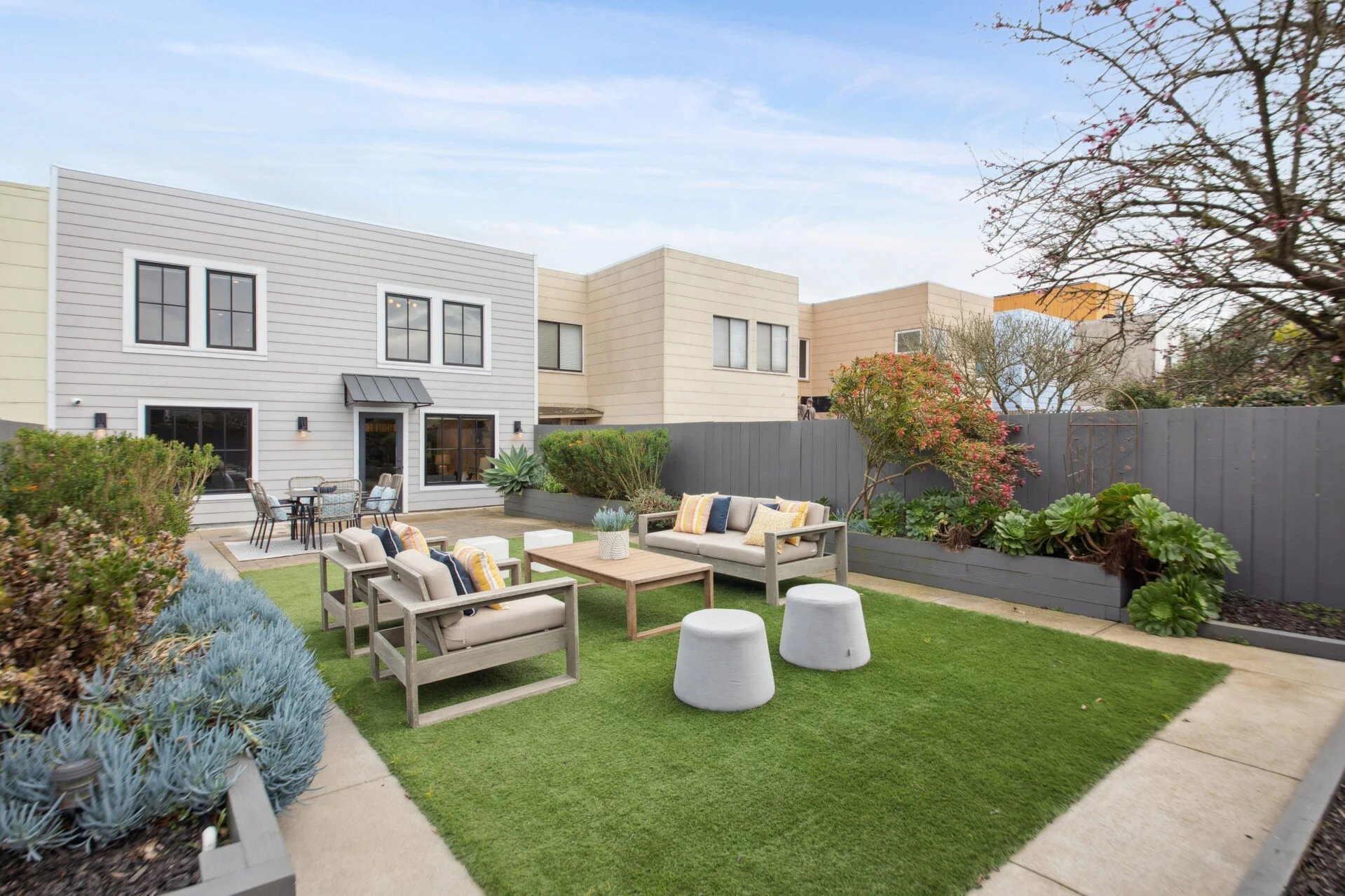
The sellers added a primary en suite during the renovation. A primary with backyard views, marble tile throughout, a soaking tub, a walk-in double rain shower, a towel warmer, and a walk-in closet done by California Closets. That level of primary suite is difficult to achieve under $3 million in San Francisco even today. They also added a bonus room and entertainment space on the lower level with custom cabinetry, a built-in TV, a second refrigerator, and direct walkout access to the backyard, a flat, wide, deep lot, which is genuinely rare.


Unfortunately, the sellers’ jobs took them out of San Francisco much sooner than expected, before they got to enjoy the home they built. That’s what brought it to market.
The Central Sunset’s weather, fog, and limited sun put a ceiling on values that a comparable home in a sunnier neighborhood like Noe Valley wouldn’t have, where the same finish level would easily command $4 million or more.
Weather adds approximately 20% to the value in San Francisco, and so does walkability. The Central Sunset has walkable amenities and good transit access, but it doesn’t get the sun that Noe Valley, Eureka Valley, or other central-south neighborhoods do. That’s not a hidden fact — it’s one of the main reasons prices in this neighborhood have a cap relative to finishes that would trade much higher elsewhere. The same house, same renovation, same square footage in Noe Valley? Easily $4 million plus.
That’s actually the opportunity for a buyer who doesn’t need the sunniest address in the city. You’re getting finishes and a floor plan that genuinely don’t exist at this price point in sunnier neighborhoods, in exchange for accepting a bit more fog. For a lot of buyers, that’s a very reasonable trade.
The right buyer for a gut renovation in San Francisco is someone with a blank check or someone already in the construction business, because unforeseen costs always come up, and the budget always expands.
I want to be direct about this because I think a lot of buyers underestimate what they’re taking on. The profile of someone who can successfully navigate a major renovation in San Francisco is very specific:
Most buyers don’t fit that profile, and there’s no shame in that. What it means is that for most buyers, the better financial move is to buy the finished product. Let someone else absorb the construction risk, the permit delays, the foundation surprises. Pay for the finished home and move in. In a market where you’re already paying 5 to 30% over comps, adding a renovation budget that will run over is rarely a formula that ends in the buyer’s favor.
If you’re weighing a fixer-upper right now, I’d genuinely encourage you to have that conversation with us before you make an offer. We can walk through the real numbers purchase price, realistic renovation costs, holding costs, selling fees, and give you an honest picture of where you’d actually land. In most cases, what we find is that the turnkey option you thought was too expensive is actually the better deal.