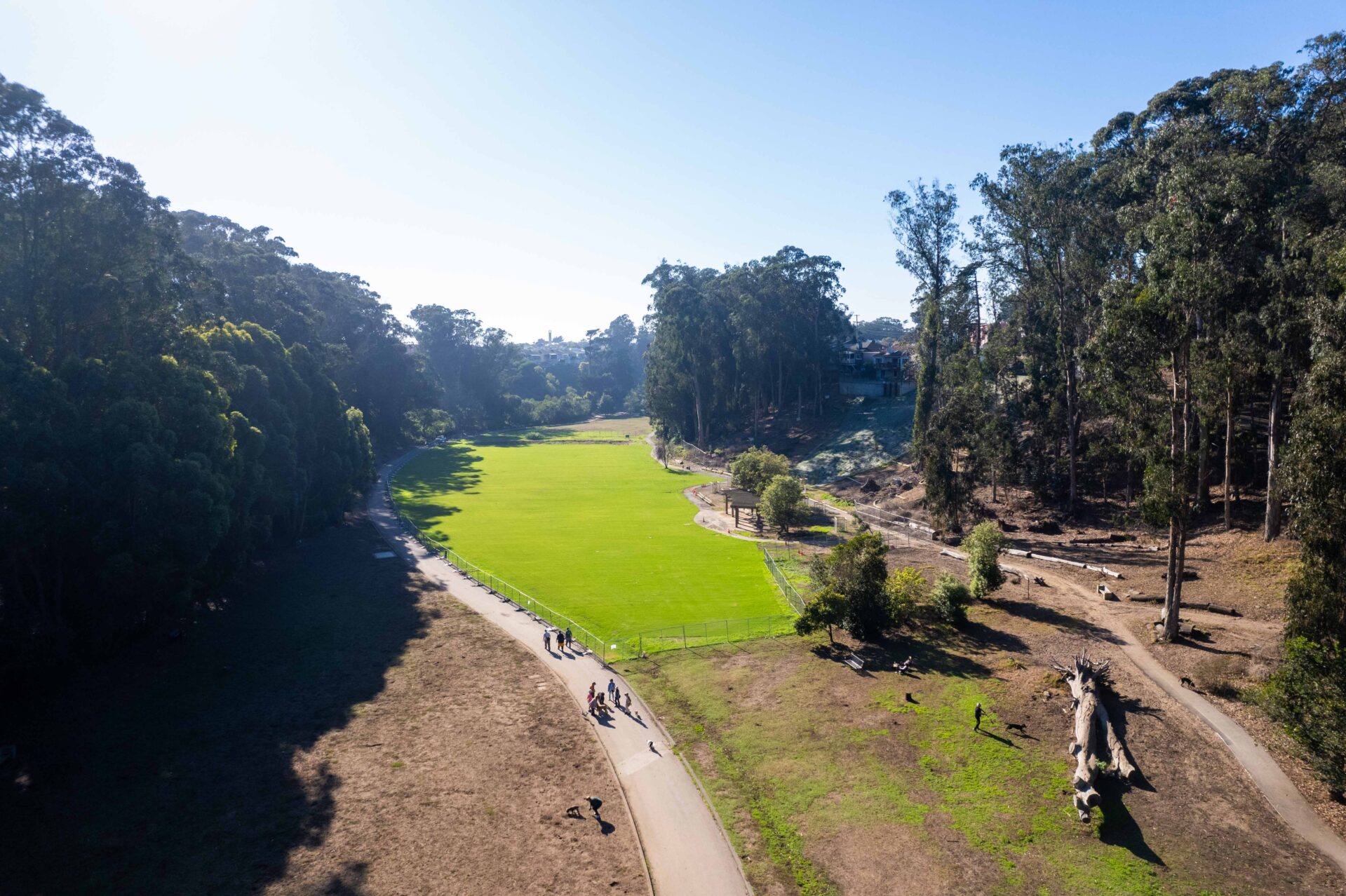
Pine Lake Park is one of the most overlooked neighborhoods in San Francisco, and almost no buyer on an initial call has ever mentioned it to me by name. A home here recently received 19 offers, and our clients won. There are fewer than 275 homes in this entire neighborhood, average prices for a three-bedroom single-family home are around $2 million, and Noe Valley, where you cannot get a single-family home under $3 million, is pushing buyers toward exactly this kind of area. If you have been looking in the Outer Sunset or Parkside, there is a very good chance Pine Lake Park should be on your list too.
Pine Lake Park is a small, tucked-away residential neighborhood on the southwest side of San Francisco with fewer than 275 homes, bordered by Outer Parkside to the west, Parkside to the north, Lakeshore to the south, and the West Portal area to the east.
Most buyers have never heard of it, and I genuinely do not blame them. It blends into the larger Sunset and Parkside neighborhoods around it, and unless you are searching specifically for it, you are likely to miss it entirely. But walk into this neighborhood and you feel immediately that something is different.
The streets here are curvier and more tree-lined than the strict grid you see throughout most of the Sunset and Parkside. The architecture is a mix of Tudor revival, Mediterranean, and classic Sunset-style properties, which gives the neighborhood a visual variety that most of the surrounding areas do not have. Driveways, entryways, and backyards have more character and grandeur. Buyers notice that feeling immediately when they walk through, and it is one of the reasons people compete hard to get in when something comes up.
Because the neighborhood is so small and homes do not turn over often, the combination of limited inventory and low turnover creates exactly the kind of competitive situations like the 19-offer scenario I am going to walk you through later.
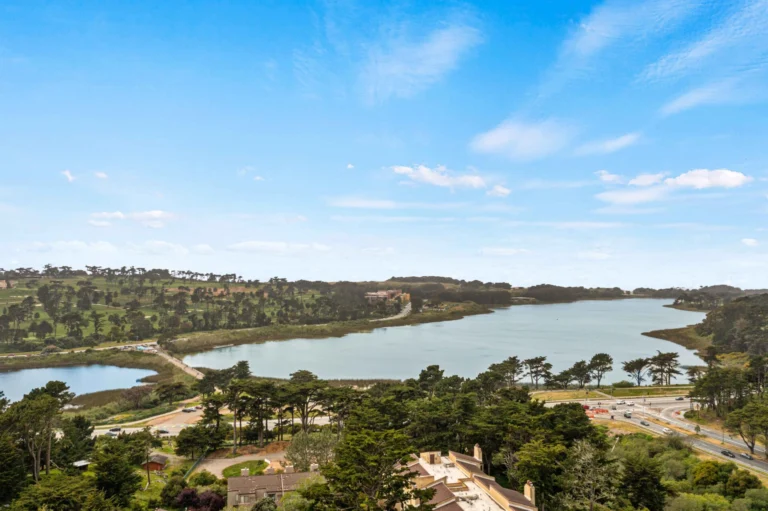
Pine Lake Park sits directly adjacent to one of the few natural lakes in San Francisco, with a quiet walking trail that connects to Stern Grove, a dog park, tennis courts, and an athletic field all within easy reach.
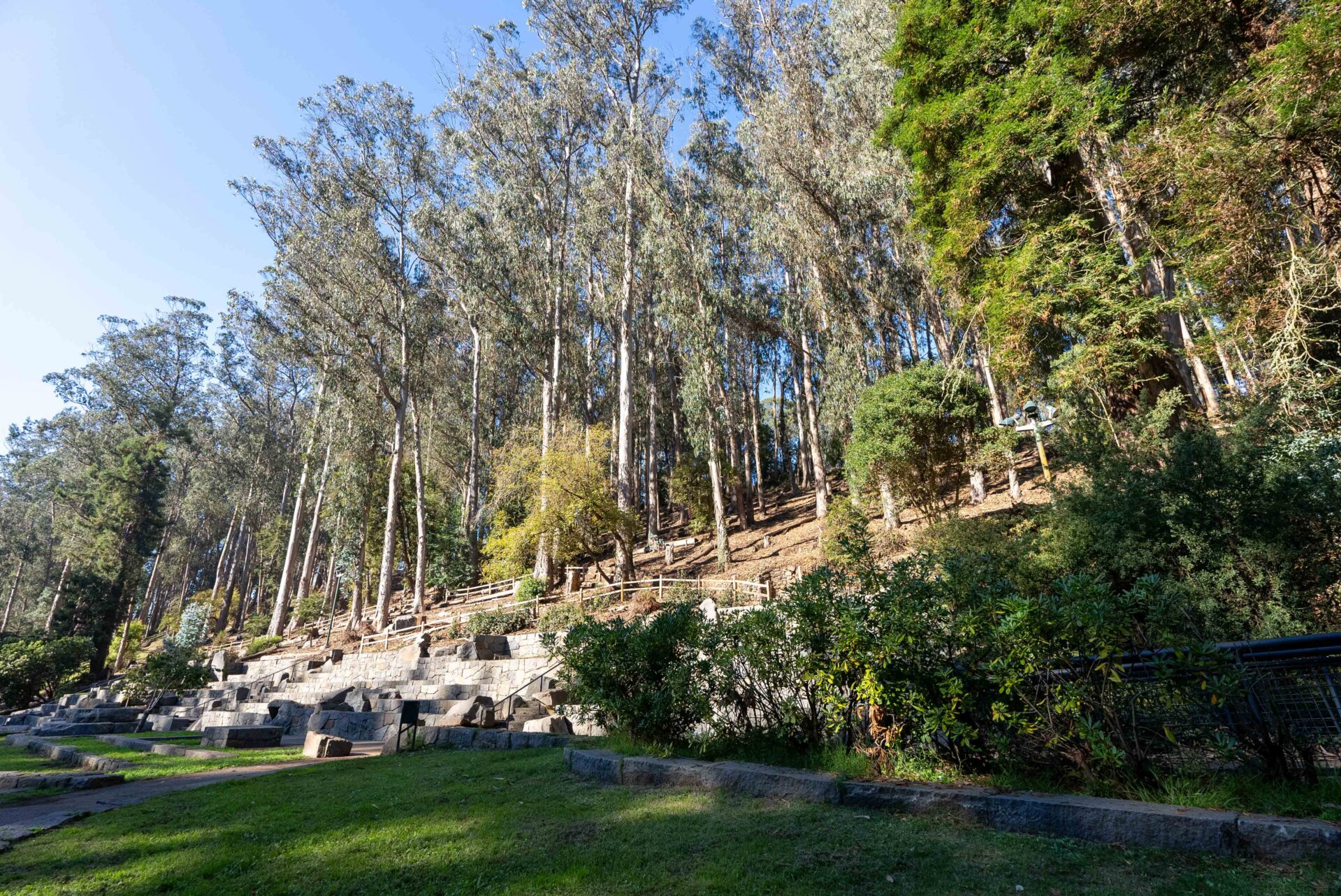

The lake feeds from the same aquifer as Lake Merced. Walking the trail alongside it, you feel genuinely removed from the city. This section of the park is a Pacific flyway corridor, meaning approximately 250 species of birds pass through here every year. That is a remarkable thing to have steps from your front door in a major city.
Stern Grove is directly connected to Pine Lake Park and is worth knowing about on its own. San Francisco hosts a free summer concert series there every year that has been a cultural institution for decades. Big artists perform, admission is free, and if you live in this neighborhood, you can walk to it. That combination of a very quiet residential pocket and something that lively right next door is genuinely unusual.
Beyond the immediate park, Lake Merced is a short distance away and is significantly larger, with extensive running trails, a golf course, and more tennis courts. Ocean Beach is just a few minutes by car. For buyers who prioritize outdoor access and green space, the options here are exceptional.
Pine Lake Park does not have a walkable main corridor, but Lakeshore Plaza is within walking distance with a Lucky grocery store, Petco, Peet’s Coffee, and Noah’s Bagels, and Stonestown Galleria with Whole Foods, Target, Zara, Sephora, and an Apple Store is only a six-minute drive.
This is one of the honest tradeoffs of this neighborhood. If you are used to living somewhere like Chestnut Street in the Marina or 24th Street in Noe Valley where you can walk out your front door and have restaurants, coffee shops, and bars within half a block, Pine Lake Park is not going to give you that. The immediate area is residential. What you have nearby is functional rather than vibrant.
Lakeshore Plaza handles daily basics within walking distance. For a more complete shopping experience, Stonestown Galleria is six minutes away and has most things you would need. West Portal, which has its own cute commercial strip with Original Joe’s, Mexican restaurants, ice cream, and coffee, is about a five-minute drive. These options exist and are accessible, but they require getting in the car.
If walkability to a commercial strip is essential to your daily quality of life, I would point you toward a different neighborhood. But if you can live with a short drive for most errands and want to trade that walkability for peace, green space, and a neighborhood with real character, Pine Lake Park delivers.
Pine Lake Park is probably not the right fit for buyers who prioritize sun, need walkable access to restaurants and shops, want a lively urban energy around them, or need easy public transit to the eastern side of San Francisco.
I always tell buyers what a neighborhood is not before I tell them what it is, because moving somewhere that does not match your lifestyle is worse than not moving at all.
On sun: this part of the city is foggier than neighborhoods like Noe Valley. It is part of what keeps prices from reaching those same levels. If sun is your absolute top priority, I would steer you elsewhere.
On walkable corridors: as I mentioned, there is no main street here with restaurants and coffee shops you can walk to from your front door. If that is core to how you want to live, look at a different neighborhood.
On urban energy: if you want to be in a neighborhood like Eureka Valley with a lot of activity around you, or you want to live somewhere quieter but be walking distance to a more lively area, this is not that. Pine Lake Park is surrounded by more residential areas. You are in a quiet pocket within a quiet section of the city.
On transit: getting to the financial district or Mission Bay requires driving or a longer transit journey. There is no BART or Muni line running on every other block here. The 280 freeway is very accessible, which is a genuine advantage for Peninsula commuters. But if you work on the eastern or northern side of the city, the commute will feel longer than it might from other neighborhoods.
In the last six months there were eight single-family home sales in Pine Lake Park at an average price of $2.01 million for a three-bedroom, two-bath home, compared to $1.6 million for the same in neighboring Parkside, which had 58 sales in the same period.
The premium over Parkside reflects the neighborhood’s character: the curvier streets, the architectural variety, the park access, and the sense of a neighborhood with genuine design rather than pure grid development. Eight sales in six months across a neighborhood with fewer than 275 homes is a very thin market, which is exactly what creates the competitive dynamics I will describe next.
For context on why buyers are looking here at all: in Noe Valley, you cannot get a single-family home under $3 million right now. That pricing pressure pushes buyers who want a house in San Francisco to look west, and when they do, Pine Lake Park checks many of the same quality-of-life boxes at a meaningfully lower price point.
The home was listed at $1.295 million and sold for $2.05 million. Our clients won not by being the highest bidder by a wide margin, but by being the most prepared and by knowing exactly where the market was before anyone else did.

I want to walk through this because buyers who are losing in multiple-offer situations deserve to understand what actually makes the difference.
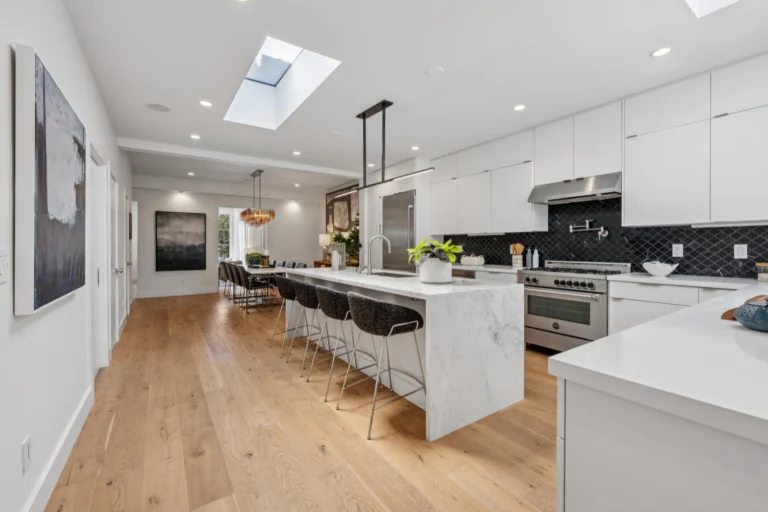
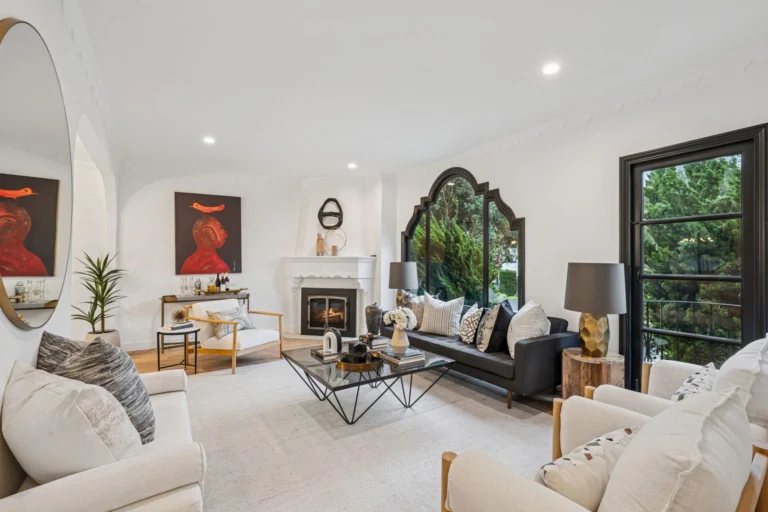
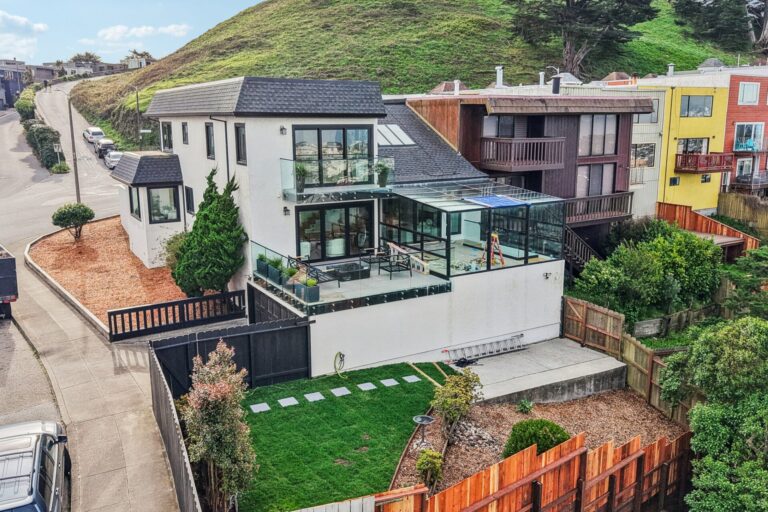
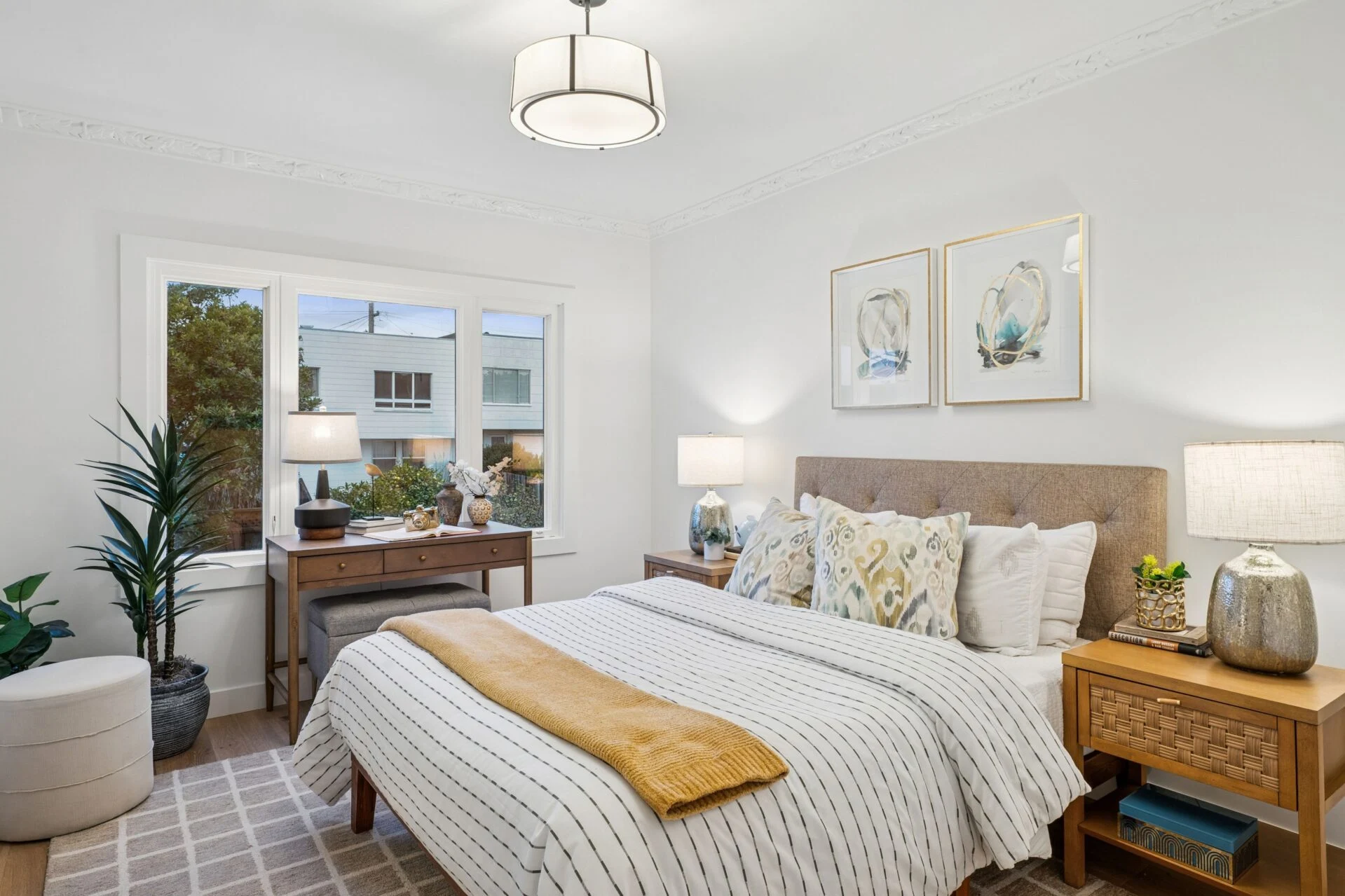
The home was a beautifully updated cream stucco property with black trim, two bedrooms and a third bedroom, two bathrooms, great character, and a good yard. The $1.295 million list price was a deliberate low-pricing strategy, which is very common in San Francisco. A lot of buyers see that number and either misread the true market value or wait for comparable sales to close before they feel confident making an offer. That is a losing approach in this market.

Because my team is writing offers and getting clients into contract every single week, I can see what homes are showing as pending before they close. By the time a sale closes and becomes a public comp that other agents are using, this property would have been long gone. I was able to tell my clients what homes in the area were actually selling for in real time.
When my clients reached out, we had 24 hours before offers were due. I gave them a specific number and was direct with them: if you are thinking of writing below $1.95 million, do not write an offer. This is going to go above that. That number was not a guess. It came from a detailed comp analysis using current pending sales, an understanding of buyer demand in the Outer Sunset and Parkside at that moment, and a lot of pattern recognition from being in the market every single week.
Beyond the number, we did a full disclosure review so our clients went in educated. We structured the offer carefully, knowing what experienced listing agents look for in terms and presentation. We used negotiation techniques specific to high-offer-count situations, which are different from what you do in a three-offer situation. And we leveraged relationships with agents in the market in ways that matter on the back end.
Our clients paid what they needed to pay to beat the offer behind them, but not a dollar more than necessary. That is the job. And it is why we consistently win against 10, 15, and 19-offer situations when other buyers are not.
If you have been losing in competitive situations and want to understand what a different approach looks like, reach out. There is a formula, and it works.