Midtown Terrace is a centrally located, single-family neighborhood built into the slopes of Twin Peaks, and it is one of the few genuinely planned communities in San Francisco. Most SF neighborhoods grew organically over the last hundred-plus years. Midtown Terrace was planned and developed in the 1950s specifically for single-family homes, with around 800 properties and no condo inventory at all. It was designed to feel more like a suburban hillside village than a typical city grid, which is why the streets are so quiet and green.
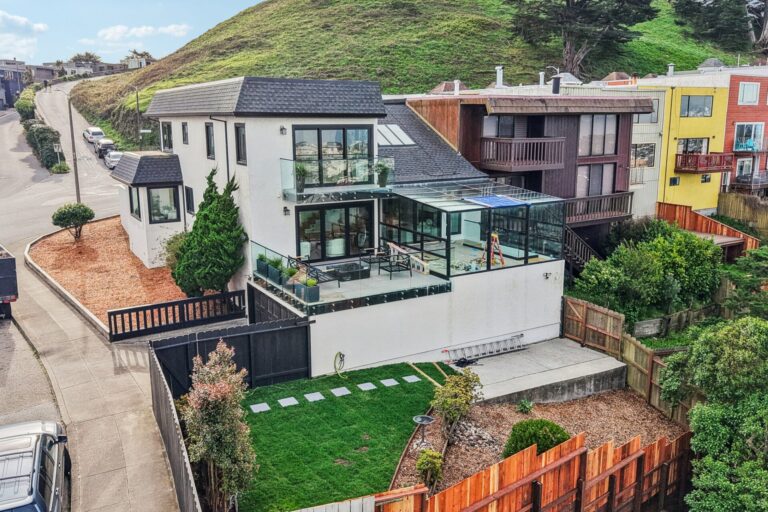
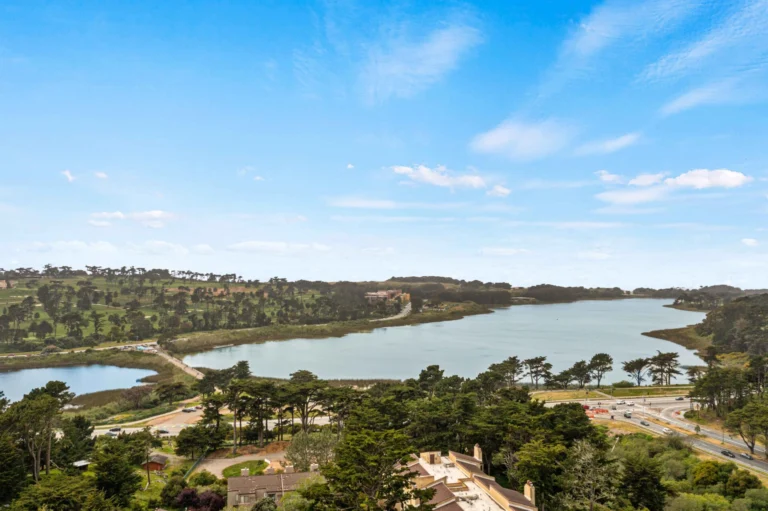
I’ve put plenty of clients into homes in this neighborhood, so I know it well. The first thing you notice walking the streets here is the greenery and the quiet. You are surrounded by trees and open sky, with a peek at Sutro Tower on a clear day, and it is calm enough that you can stand in the middle of a residential street mid-afternoon. The homes are tiered up the hillside, one above the next, which is where the name “Terrace” comes from, and that terracing opens many of these houses up to real views and vistas into the surrounding greenery.
If a quiet, green, single-family pocket of the city sounds like what you’ve been searching for, reach out to us, and we’ll show you what’s available.
Can you actually find a great single-family home in San Francisco under $2 million? Yes, and Midtown Terrace is one of the best places to do it. If you’ve been searching for a centrally located single-family home and you keep getting outbid or forced to compromise on bedroom counts and outdoor space, this neighborhood was almost built for your budget. You can find a real, detached, single-family home here in a tight-knit community for under $2 million, which is increasingly rare in a centrally located part of the city.
We are in a highly competitive market with low inventory, which is a tough combination. But plenty of buyers are still winning. Winning in this market takes focus, strategy, and enough at-bats from your representation. If you’re active, writing offers, and losing some, that budget of $2 million to $2.5 million is a real sweet spot in Midtown Terrace, and you can absolutely be successful here.

In the last six months, Midtown Terrace has seen 13 single-family home sales, with an average sale price of about $2.03 million. That’s a small number of sales, but that’s the market we’re in right now. The range ran from as low as $1.3 million, which was likely a two-bedroom needing work, up to about $2.55 million, which was the highest of the last six months (not the all-time high for the neighborhood). At that top end, you’re generally getting four-plus bedrooms, decent updates, and maybe some views. In the $1.8 million to $2.5 million range, homes here are selling at an average of roughly $1,200 per square foot, sometimes closer to $1,100 or $1,300.
Here’s why Midtown Terrace stands out on price right now. Since 2025, single-family homes in top-tier neighborhoods like the Inner Sunset, Inner Richmond, Pacific Heights, Noe Valley, and the Marina have risen about 25 percent or more, sometimes 30 percent or higher, from where those same homes would have sold a year earlier. Not all of San Francisco has moved equally, though. Midtown Terrace has seen a price hike like everywhere else, but nowhere near as aggressive as those top-tier neighborhoods. That’s what keeps it interesting from a pricing standpoint, especially if your budget is around $2 million or $2.5 million. If you want to see how this compares across the city’s other neighborhoods, our website has a database covering all 89 San Francisco neighborhoods.

Homes in Midtown Terrace are mid-century modern in style, tiered up the hillside, and about 70 years old, and a meaningful share of them are detached on both sides. Because this was a planned development, a common fear buyers have is that every house is identical. That is not the case here. The homes share a mid-century modern vibe, but they are not one-for-one replicas.
A few things set this inventory apart. First, detachment. A lot of San Francisco inventory was built on zero lot lines, so finding a detached home is a genuine perk, not a guarantee. In Midtown Terrace, you’ll find plenty of homes detached on both sides, which is fabulous, though not every home is. Second, because the inventory is now around 70 years old, owners have renovated over the decades. Many have expanded lower garage levels into livable space, and I’ve sold plenty of homes here that were completely gutted from roof to foundation, so the interior is fully modern while the facade keeps its mid-century modern look. If you’re worried about variety, don’t be. You can find plenty of it in this neighborhood, from original condition to top-to-bottom remodels.

Living in Midtown Terrace means quiet streets, a genuinely tight-knit community, and immediate access to some of the best green space in San Francisco. The main hub is the Midtown Terrace Playground, Park, and Rec Center, and because there’s no big shopping corridor drawing outside foot traffic, the people you see there are people who live here. There’s open green space, a basketball court, and a playground, plus the rec center runs after-school programs and events. A fun bit of history: before it was a park, back in the 1800s, Adolph Sutro (the mayor and renowned engineer of that era) kept his cattle grazing on this land.


The green space doesn’t stop at the neighborhood line. You have Twin Peaks right at your feet, with some of the most epic panoramic vistas in San Francisco and hiking trails. Nearby you also have Glen Canyon Park, with a rare above-ground creek and around 60 acres for hiking and outdoor activities, Mount Sutro with roughly another 60 acres of eucalyptus forest, and Mount Davidson, the highest peak in San Francisco. If you’re an outdoor enthusiast, you can do no wrong here.
Does Midtown Terrace have an HOA? Yes, but it’s tiny and it governs nothing. I think about half the people who live here don’t even realize the HOA exists. Dues are around $18 a year, and the money goes toward neighborhood gatherings and parties rather than rules about what you can do with your home. One of the most consistent pieces of feedback I get from clients who’ve bought here is how tight-knit the community feels, and that comes directly from a neighborhood made up of residents rather than tourists. If a real community is high on your list, let’s talk about getting you into Midtown Terrace.
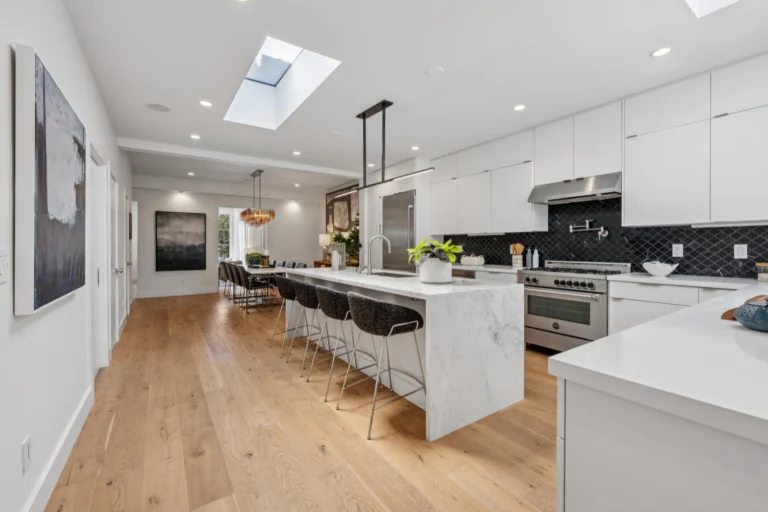
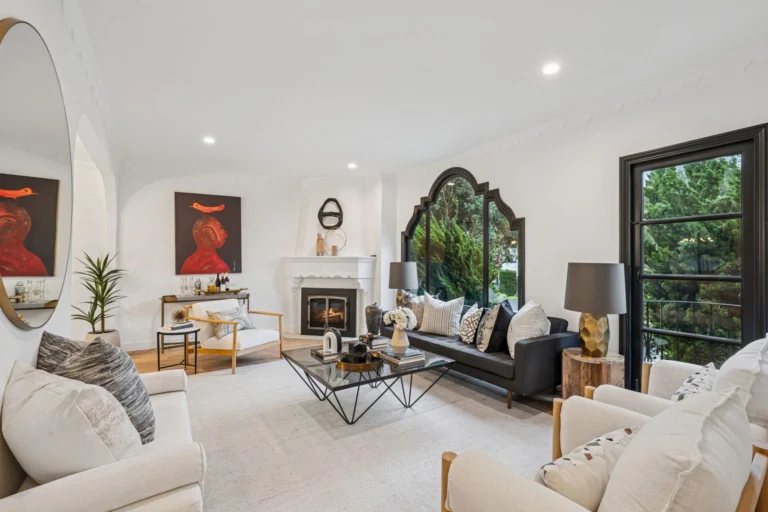
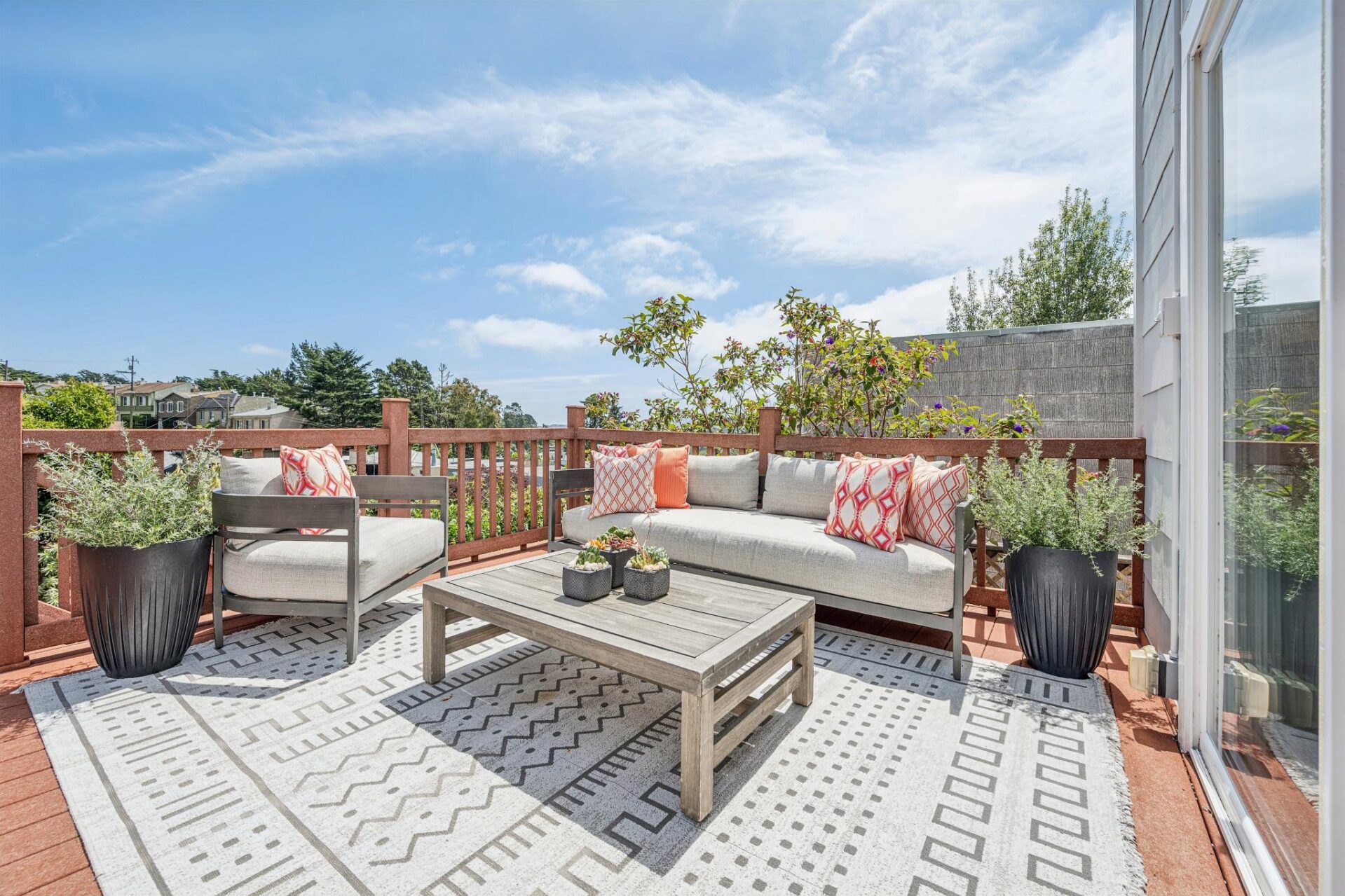
To show what your budget actually buys here, take 50 Glenview, an attached, mid-century modern home with about 1,100 square feet upstairs, three full-size bedrooms on one level, and a walkout deck. We refreshed the exterior with new paint and updated windows while keeping its original mid-century modern character. This is a quintessential Midtown Terrace property, and it’s listed at $1,295,000, though that’s a low pricing strategy typical of this neighborhood and San Francisco as a whole, so it will sell above that. It is going to sell under $2 million, and probably well under.
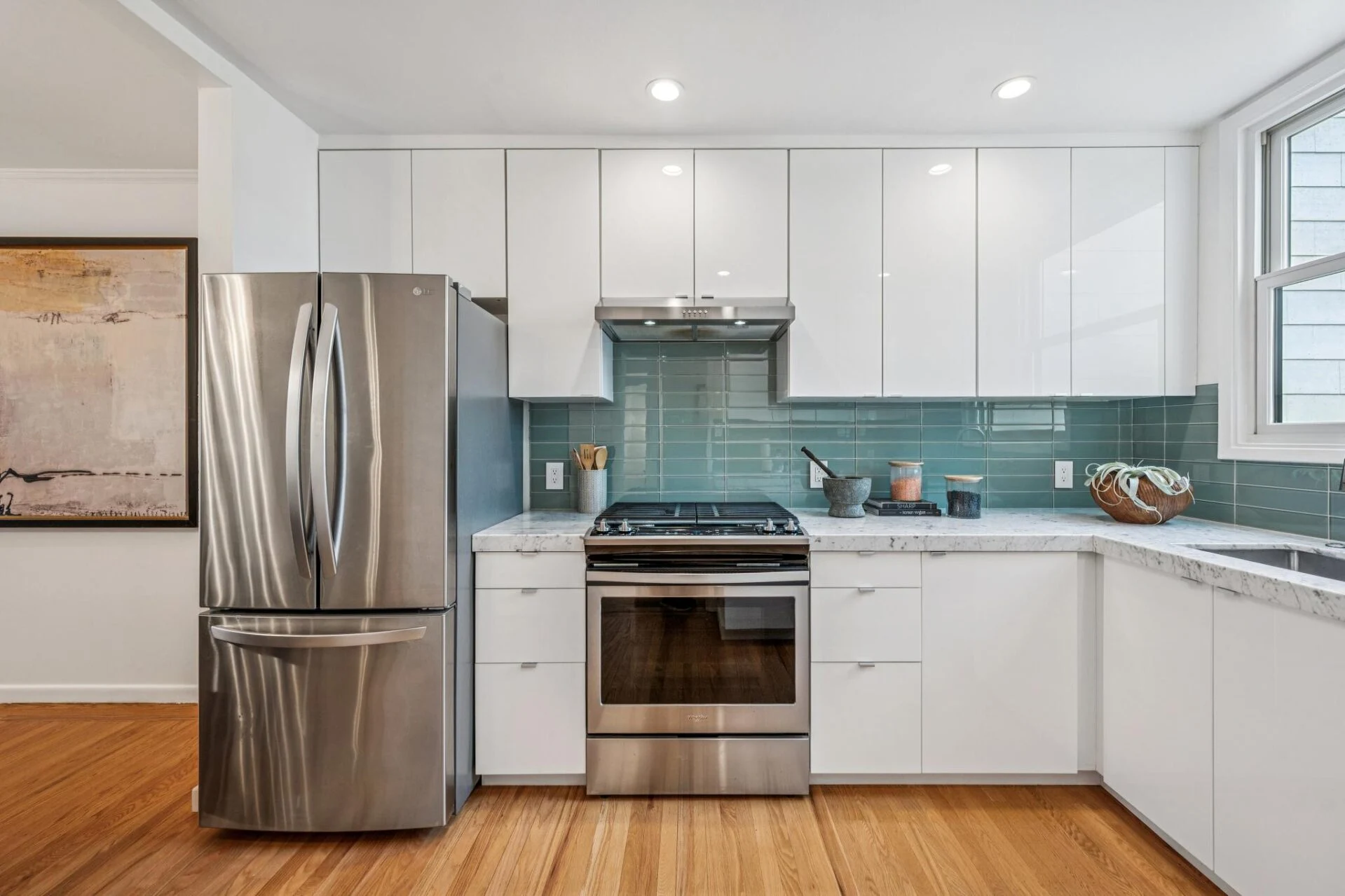
Even though it’s attached on both sides, there’s no shortage of natural light thanks to windows front and back, a big skylight in the bathroom, and recessed lighting throughout. The white oak floors were recently refinished. The living, dining, and kitchen area was opened up (a lot of these 1950s homes were built with walls separating those spaces), so light from the back kitchen window now flows through the whole floor, and it fits a six-top dining table with room to move. The kitchen was remodeled in 2017, so it’s less than a decade old, with a colorful backsplash, cabinetry running to the ceiling for serious storage, a full-size dishwasher, and a stove that vents out.


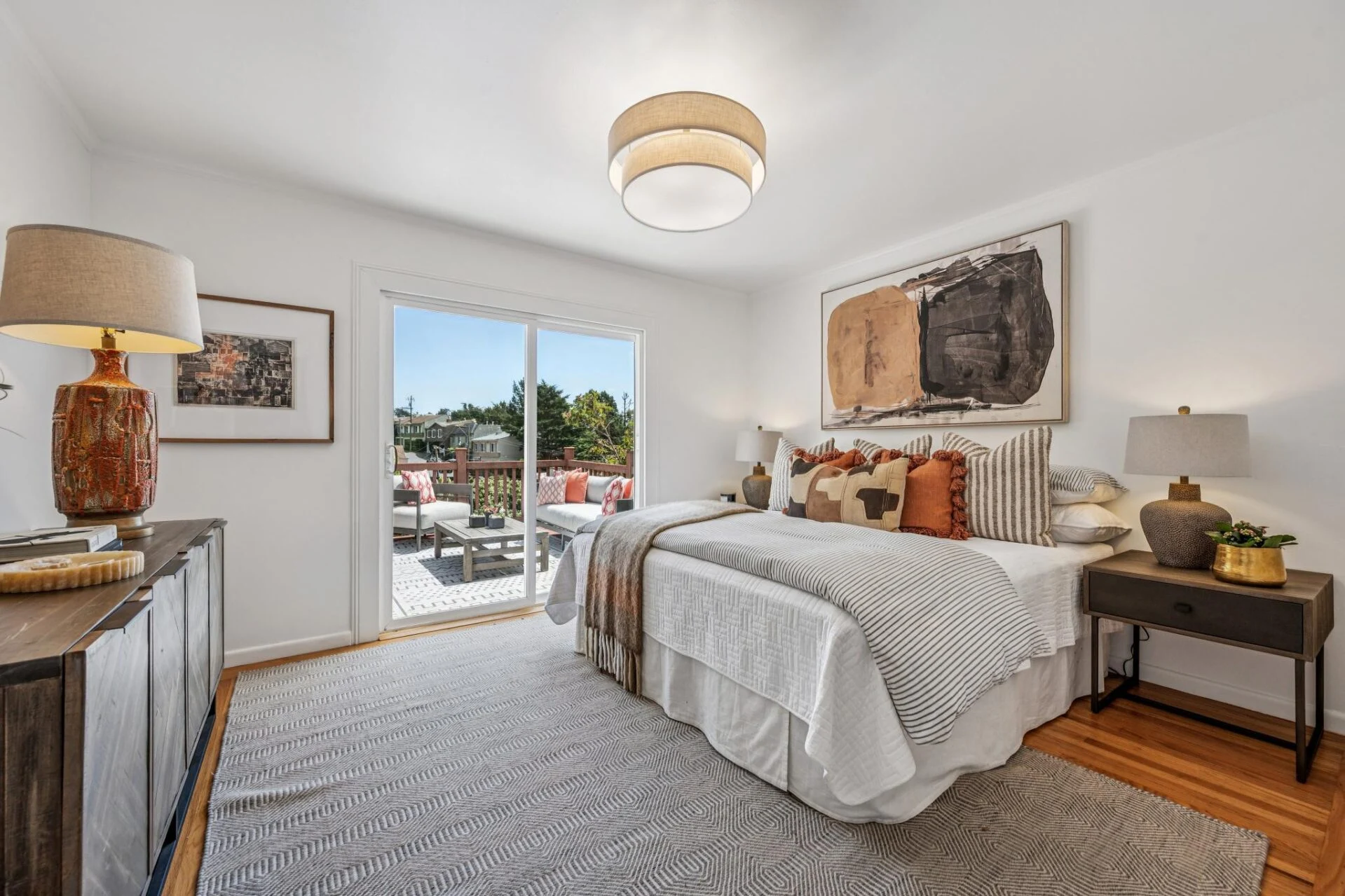
The layout is where this home earns its price. The original Midtown Terrace floor plan is typically two beds and one bath upstairs, with a large lower level that owners have converted over the years. Here, you get three full-size bedrooms on one level, which I do not promise clients under $2 million or even $2.5 million in areas like Midtown Terrace, the Sunset, or the Richmond, where two beds up is the norm. The trade-offs to know: there’s one bathroom on this level rather than the ideal two for a three-bedroom home, and the primary closet isn’t massive, both of which are expected at this price point. The primary bedroom opens onto a private deck with a staircase down to the backyard, which is rare here, since most homes require walking through the garage to reach the yard. Because of the tiered layout, you also get privacy on that deck rather than feeling like you’re in a fishbowl.

There’s one more thing that makes this home flexible. Upstairs is turnkey and move-in ready, but the lower level is currently raw storage space with strong ceiling height, ready to become an office, a gym, an extra bedroom, or a full lower-level buildout. That gives you the best of both worlds: live comfortably now, and add real value and ROI later if you want a project. You give up a little size, around 1,100 square feet rather than 1,400 or 1,500, but the layout and natural light make it feel larger, and you still get great bedroom sizes and that back deck.
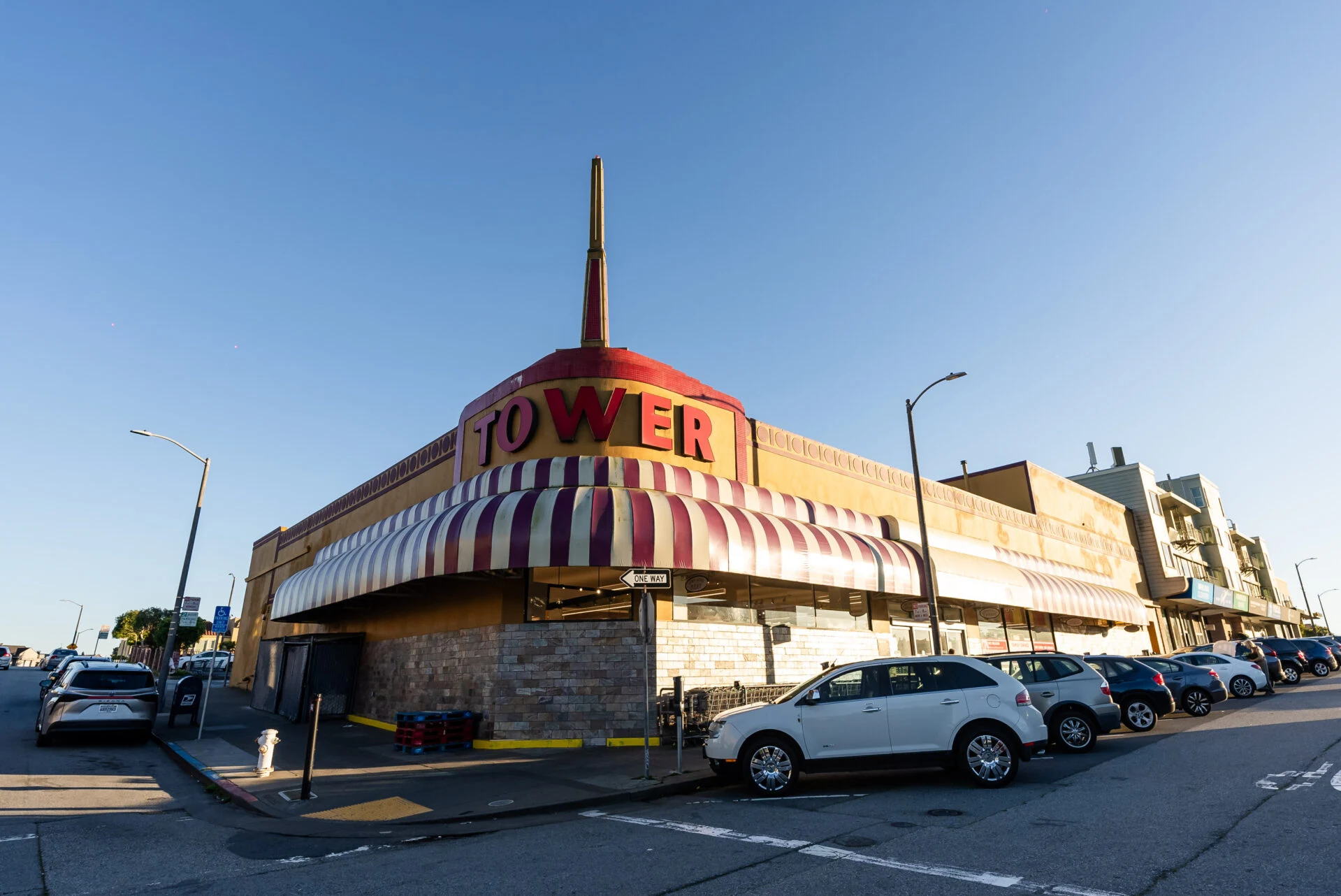
Midtown Terrace’s main conveniences sit along a small stretch of Portola Drive, which covers the essentials rather than boutique shopping. This corridor sits between Miraloma Park and Midtown Terrace and serves both. You won’t find fancy restaurants or boutique shops, but you will find what you need day to day. There’s a Mollie Stone’s grocery store right here, which matters because a lot of people in more secluded parts of the city have to drive clear across town for a grocery run, and you don’t have to give that up. You also have a dry cleaner, a deli, a bakery, a coffee shop, a title company, and a CVS for pharmacy needs and small home items, plus the Miraloma Club and Miraloma Market nearby.

The bigger advantage of a centrally located neighborhood like this is how close you are to everything else if the essentials aren’t enough. Noe Valley is right to the east, a very quick drive. Eureka Valley and the Castro area give you a ton of options, and to the north you have Cole Valley and Ashbury Heights, with a cute run of shops on Cole Street. So you’re surrounded by walkable, sunny neighborhoods even if your own streets are quieter. That’s something buyers south of the 280, in wonderful neighborhoods like the Excelsior or Portola, don’t always get, where it can feel far from everything else. You don’t feel that here.
What are the downsides of living in Midtown Terrace? The three real trade-offs are limited neighborhood shopping, hilly streets that make a car necessary, and a cooler, foggier microclimate. No neighborhood is perfect, and I’d rather give it to you straight.
First, if walking to a local coffee shop or an artisan bakery is a high priority, and you love the feel of neighborhoods like the Marina, Pacific Heights, or Noe Valley, Midtown Terrace won’t fully satisfy that. Second, walkability on the streets themselves is limited. You’re on the slopes of Twin Peaks, so there are genuinely hilly stretches, and if you live here you’ll want a car. This is not a walk-everywhere neighborhood, so if that’s central to your San Francisco experience, you may be disappointed. Third, weather. Midtown Terrace has its own microclimate and runs at least 10 to 15 degrees cooler than neighborhoods like the Inner Mission and Noe Valley, which get near-perfect sun. Expect some fog, especially in the summer months. If you prioritize a single-family home on a tighter budget and weather isn’t your make-or-break, you can be very successful here. If you want help weighing these trade-offs against your priorities, that’s exactly what we do.
You can get from Midtown Terrace to downtown San Francisco in about 30 to 45 minutes on public transportation, with Muni line access from the neighborhood. If you work in the South Bay, you’re also very close to the freeway, with access to both the 101 and the 280 right there, so you can reach that part of the Bay quickly. Compared to a location like the Outer Richmond, where it’s a real haul to reach the edge of downtown or the South Bay, the commute options here are a genuine convenience. If you’re weighing Midtown Terrace against your commute, reach out and we’ll map it against where you actually need to be.